


Methadone Treatment Centers
Methadone reduces withdrawal symptoms in people addicted to heroin without causing the high associated with heroin abuse. Call 800-570-0298 for treatment programs.
Heroin Addiction Help
Medically assisted detoxification is often needed to help individuals withdraw safely from heroin addiction and there are several medications that can help in preventing relapse during recovery. 24/7 Hotline 800-570-0298
Heroin Treatment
Many chronic heroin users are in need of in-depth treatment and need to be in a safe environment while working toward recovery, this also helps to prevent relapse while working through issues associated with their dependency. 800-570-0298
 Who Answers?
What is Heroin?
Heroin is an illegal drug that's processed from morphine which occurs naturally in the seedpod of the Asian opium poppy plant. Out of all opiates, heroin is the most widely used and fastest acting opiate there is. Heroin is usually found in powder form and is either white or brown in color. In its purest form heroin is white in color but due to impurities the color may vary on the streets from white to off white. There is also a form of heroin that's sticky and black in color called black tar heroin that's illegally trafficked and distributed. Heroin is extremely addictive and depending on the intensity of use, a person can become dependent very fast, and develop a Heroin Addiction often requiring medical detoxification.
Why is Heroin abused?
Heroin is abused in the beginning of use for the intense rush and euphoric feelings a person experiences. The first sensation a heroin user may experience is a rush of intense pleasure followed by a warm sensation in their skin, they mouth gets dry, and their limbs feel heavy. Some people also experience nausea, vomiting and intense itching as well. When these effects begin to wear off the individual is usually drowsy and sleepy for a few hours. During this time a person's breathing begins to slow down also. Long time abusers will suffer Heroin Withdrawal when stopping.
Get Help:
800-570-0298
Who Answers?
How is Heroin abused?
There are a few ways heroin is abused, some people inject heroin into their bloodstream and others prefer to either snort or smoke the drug. No matter how heroin is administered it's extremely addictive. Many people prefer to inject heroin directly into the bloodstream because it reaches the brain faster and the rush they're looking for is experienced much quicker. Injection of heroin also produces a much more intense rush of euphoria compared to snorting or smoking the drug. Heroin that's high in purity is commonly snorted or smoked. Users find the need to increase their dose and many times abuse heroin more often, dependency to heroin can take place just that fast.
Why is Heroin addictive and how does it happen?
Part of the reason heroin is so addictive is because it reaches the brain extremely fast and affects the user psychologically and physically. Heroin is addictive because of the neurochemical and molecular changes in the brain that take place when the drug is used. When a rush is experienced, surges of dopamine are produced which is the chemical responsible for the rush of euphoria and pleasure experienced. The rush can be so intense that a person can't wait to achieve the high again so they repeat their use. Over time, tolerance takes place and the dose they used in the beginning is no longer enough. Attempting to stop will require Heroin Detox to help the Withdrawal symptoms.
 Physical tolerance also begins to take place, when the user has come down and is no longer experiencing the emotional and mental rush and are in need to reuse, they experience symptoms of withdrawal after a while. The stronger level of addiction a person has the more intense the physical symptoms are when they need to use again. Withdrawal symptoms are part of addiction and because they're quite uncomfortable and cravings are intense, the user now isn't just abusing heroin to experience that rush of euphoria, they're using because they mentally, emotionally, and physically have to. If you are Addicted to Heroin please call 800-570-0298(Who Answers?) to speak with a Treatment Counselor.
The availability of heroin is increasing throughout the United States today and higher purity heroin is easier to come by. Most of the heroin on the streets is cut with other drugs or substances like sugar, starch, or powdered milk to weaken the strength. Unfortunately there's still plenty of heroin distributed that's cut with strychnine, quinine or other poisonous substances making this street drug more dangerous. Heroin users risk overdose and death when they use the drug because there is no way of knowing how pure it is or what other toxic substances are combined in it.
Heroin Withdrawal Symptoms
 Withdrawal symptoms vary in intensity from user to user but if the individual is a chronic user the symptoms are usually much more intense. Withdrawals usually start out with an intense craving for the drug. The individual becomes restless and may experience muscle and bone pain and discomfort as well as nausea or vomiting. Again these symptoms vary with each individual but they are no fun to go through, the symptoms usually peak within 72 hours after the last heroin dose and get better in about a week. Other symptoms that are associated with opiate withdrawal include:
Feeling of agitation, Anxiousness and anxiety, Achy muscles, Tearing of the eyes, Sleeplessness or insomnia and Diarrhea. People suffering these symptoms from Heroin Withdrawal will need a Heroin Detox Program to get clean. If you are in need of Heroin Detox Treatment call 800-570-0298(Who Answers?) to speak with a specialist.
Withdrawal symptoms vary in intensity from user to user but if the individual is a chronic user the symptoms are usually much more intense. Withdrawals usually start out with an intense craving for the drug. The individual becomes restless and may experience muscle and bone pain and discomfort as well as nausea or vomiting. Again these symptoms vary with each individual but they are no fun to go through, the symptoms usually peak within 72 hours after the last heroin dose and get better in about a week. Other symptoms that are associated with opiate withdrawal include:
Feeling of agitation, Anxiousness and anxiety, Achy muscles, Tearing of the eyes, Sleeplessness or insomnia and Diarrhea. People suffering these symptoms from Heroin Withdrawal will need a Heroin Detox Program to get clean. If you are in need of Heroin Detox Treatment call 800-570-0298(Who Answers?) to speak with a specialist.
Many States Seeing a Spike in Heroin Deaths
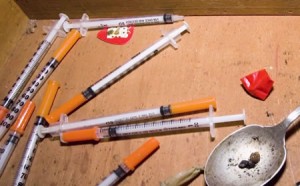 Heroin is a powerful opioid and popularity of the drug has dramatically risen over the past couple of years in many areas.
• read more
